
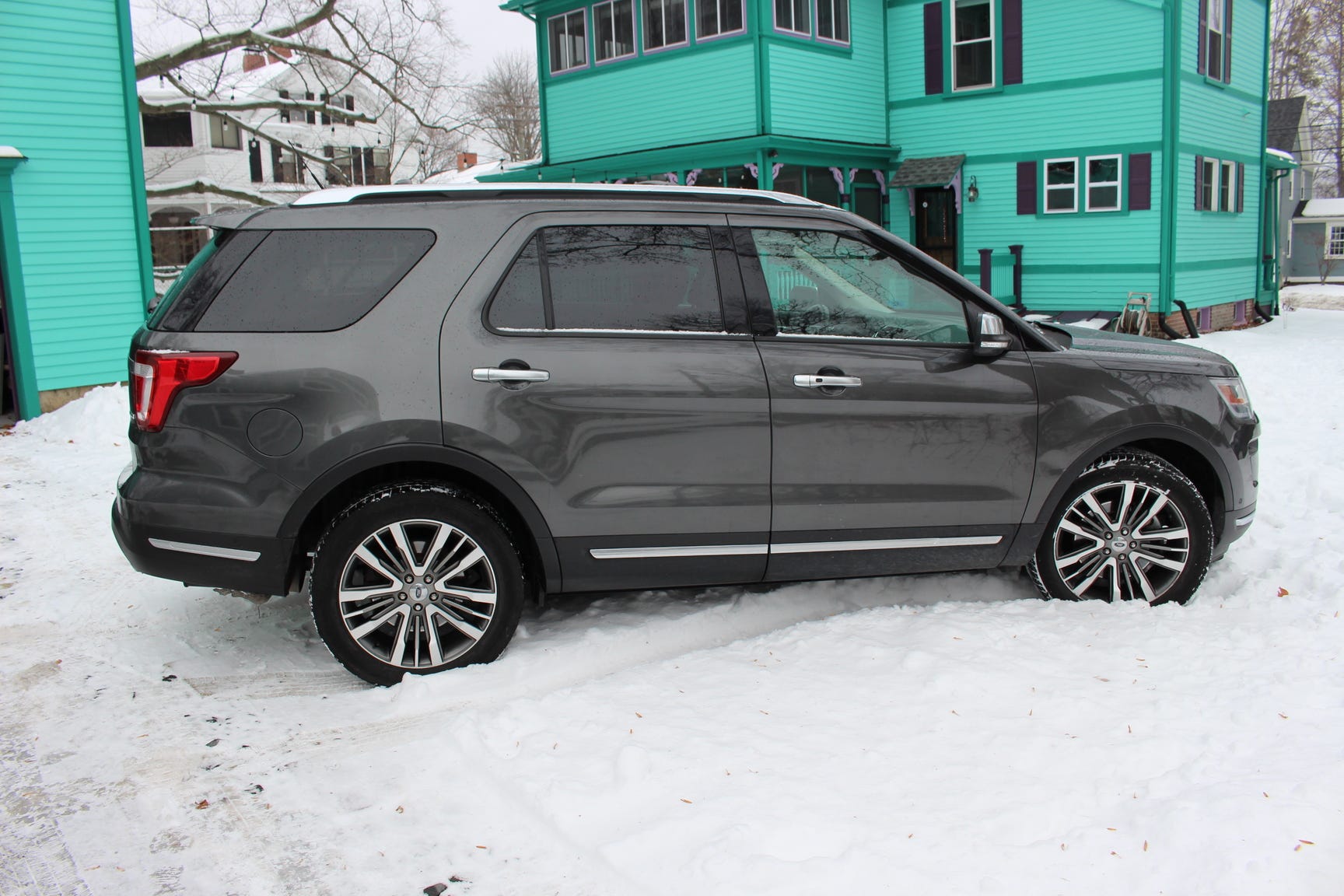
Over in Switzerland, snow tires are highly encouraged by the law - and insurance - to the point that nearly every car on the road is sporting them during the winter months. Anyone who’s driven in St. Louis during a snowstorm likely knows this type of mandate has obvious benefits. Here in New England, snow tires are more commonplace, but still nothing like on the other side of The Pond. And yet, with a good set of Three-Peak Mountain Snowflake rubber, you’d have to work to put your car in the ditch on a wintry day.
Transparency Note
Some products featured in this article were provided by the manufacturer for evaluation. This article contains affiliate links. If you purchase through these links, I may earn a commission at no additional cost to you. The manufacturer had no input on the editorial content.
Snow Tires Rule
For me, that means snows on the Mazda 6 and Ford Transit Connect. Both FWD, these favorite household rides are practically unstoppable when shod with winter tires. To wit: Our Transit Connect happily traversed the Monarch Pass out west…in the dead of winter…during a snowstorm.
I did need a fresh pair of trousers after the descent, but that trusty little van was nonplussed. And my faithful Mazda is a total blast in the slushy stuff with its 3PMSF meats. Which brings me to the 2019 Ford Explorer we recently inherited.
Ford’s Snowflake Mode
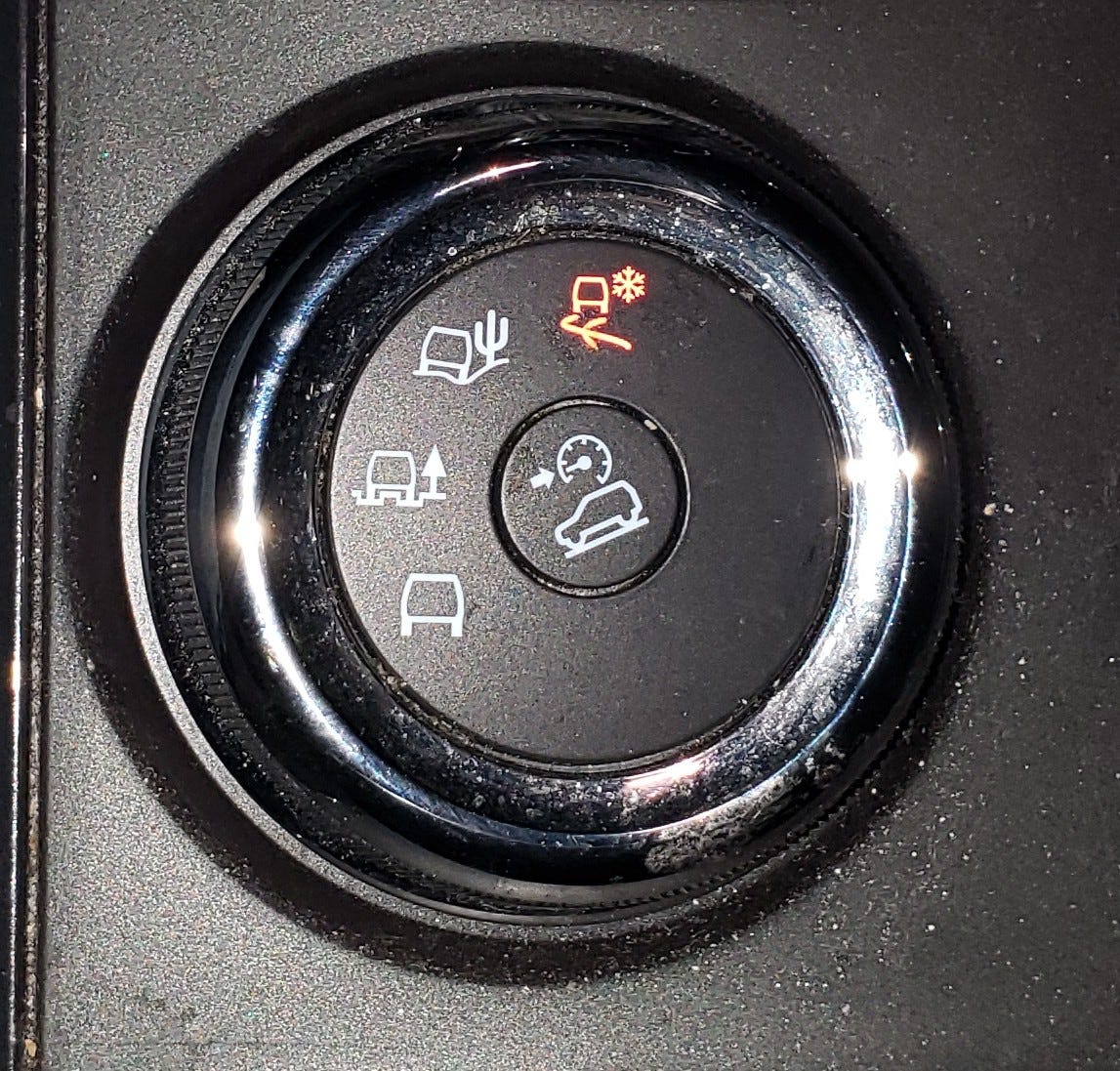
It’s been a while since I’ve regularly driven an AWD vehicle like the Explorer. It’s fancy, with a little dial to spin between drive modes. There’s the default, which is probably called Normal. An option with a pine tree icon is likely for light off-roading. What I call Cactus Mode - thanks to the cactus clip art - is surely for driving in sand. And finally, Snowflake Mode, which Ford surely calls something else.
Anyway, we received a healthy amount of snow early this year in New Hampshire, about 9 inches just after Thanksgiving. Wondering if I could get away with NOT swapping the Explorer’s all-seasons for dedicated snow tires, I took it for a spin, on the way to drop a child off for sledding. Wow. It was immediately terrible in Normal mode.
The whole way to the sledding hill, with snow-covered roads and actively falling snow, the promise of AWD felt hollow. Yes, I know, it’s all about the tires, but you can’t fault a guy for trying to get around shelling out for a set of winter tires.
Lurid Parking Lot Slides With The Lad
Perhaps, I thought, spinning that drive mode dial to the snowflake icon would solve my woes. In a snow-covered empty parking lot, while waiting for said child’s friends to arrive, the boy and I tested both modes - Normal and Snow - in the name of science.
Unable to suss out a clear advantage, I released the lad from the grip of grin-inducing parking lot slides and headed home. In Snow mode. And discovered it helped exactly…not at all versus Normal. I expected some sort of benefit to the Ford’s capability with all this whiz-bang tech that modifies the throttle and traction control response. But it was not the case.
All-Weather Tires…Not To Be Confused With All-Season


Once home, I started investigating the tires to find out what the Explorer was shod with. And was surprised to see the 3PMSF icon on a set of Goodyear Assurance WeatherReady rubber. These tires came with the car, but this was my first time running them in the snow. Confused at how poorly they performed versus my understanding of what that embossed icon indicates, I did some digging and learned a thing. These Goodyears are part of a new-ish “all-weather” tire category.
The general idea is to blend all-season usability with the traction of a dedicated winter tire in the white stuff. I can see the appeal as folks could potentially avoid having to swap tires twice a year and store racks of rubber. Saving money and space is a good thing. Going deeper however, I found that these all-weather tires are best-suited to locales with occasional snowy weather. Certainly, the winters can be all over the place in the Seacoast region of NH, but we get plenty of weather that leaves the roads a disaster.
Do All-Weather Tires Lose Snow Traction Too Soon?


Which got me wondering if the Goodyears were simply shot. I hadn’t noticed any squirrelly behavior behind the wheel in the 6 months we’ve had it, including in monsoon levels of rain. According to the highly scientific Lincoln’s head-on-a-penny depth test, I’ve got about 5/32” of tread remaining. (Sidebar: Anyone have a recommendation for a good tire depth gauge?). I also flipped through the service records that came with the Ford and found these tires had been fitted 3 ½ years and 50,000 miles ago. Interesting.
Goodyear includes a 60,000-mile warranty on these Assurance WeatherReadys, but obviously you can drive tires well beyond that distance. And given the ample depth remaining, I would expect to. It got me wondering if all-weather tires lose some of their baked-in winterability as the rubber wears down. I couldn’t find a test addressing this possibility for these specific tires, or all-weathers as a whole, but Consumer Reports has noted that all-season tires definitely suffer this fate once they’re halfway worn.
“All-season tires perform well for more modest snow conditions. But as the test results show, if the tires are more than half-worn, you may want to wait out the snow storm until the roads have been cleared.” - Consumer Reports
In either case, I now know about all-weather tires and can tell you that in a place like New Hampshire, they don’t appear to be worth it in the winter. Like doing runs back and forth to school, driving to and from kids’ sporting events, heading over the mountains and through the woods to ski, and taking long road trips to see family - all winter long.
Enter The Blizzak


Which brings me to the point of this story. A fresh set of Bridgestone Blizzak DM-V2s from Tire Rack for the Explorer. They are spectacular in size at 255/50-20 and spectacularly hard on the wallet. Which I recognize is not for everyone. But my wife is the primary driver of the Explorer, typically with all 3 kids along for the ride.
And I can’t put a price on the peace of mind knowing how much better this SUV will handle during our fairly active winter life of school, sports, skiing, and traveling. Or at least how much better I hope it will handle. You see, the tires just landed at my doorstep - sorry UPS guy - and are being fitted as we speak. In Part 2, I’ll fill you in on how these monster 20” Blizzaks fare in the slippery stuff and whether or not dedicated winter tires are the way to go in the wintry weather of New England.
About the author: Niel Stender is an automotive journalist. More of his work can be found at muckrack.com/niel-stender.