
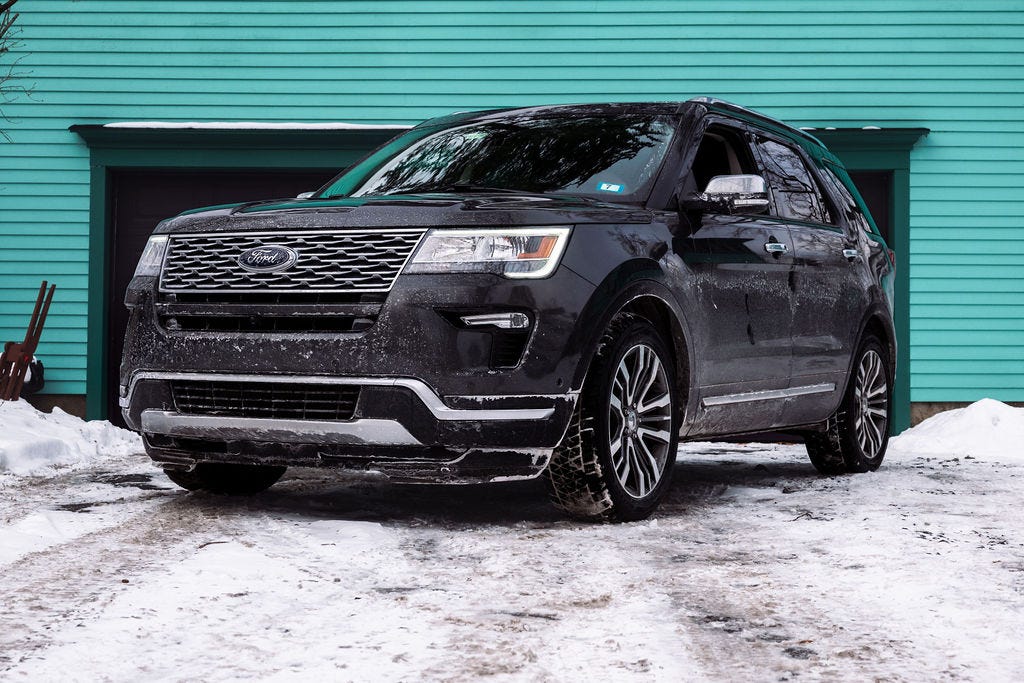
Tires are the red-headed stepchild of the modern car. Largely ignored, definitely mistreated, and given the potentially high cost, sometimes unwanted. Which is a shame, as the technology baked into car tires is fairly staggering. And of course, there’s the fact that those circles of rubber are the last line of defense when it comes to keeping your car stuck to the road. As I learned earlier this winter in our 2019 Ford Explorer.
Transparency Note
Some products featured in this article were provided by the manufacturer for evaluation. This article contains affiliate links. If you purchase through these links, I may earn a commission at no additional cost to you. The manufacturer had no input on the editorial content.
Serious Winter Requires Serious Tires


A lovely SUV, the Explorer in our driveway has many systems in place designed to keep traction at a maximum. AdvanceTrac, Roll Stability Control, and Curve Control, to name a few. The AWD system - which Ford calls “Intelligent 4WD” - and Terrain Management System offer multiple drive modes, including Snow. All of which can do next to nothing when the roads are covered in a wintry mess, and your tires are not up to the task.
That’s where I found myself last December. Winter hit hard and early this year in New Hampshire. As I shared in Part 1 of this Bridgestone Blizzak DM-V2 review, the first round of snow and frigid temps had me out on the road for sledding adventures. Which led to a discovery: The tires that came with the Explorer were not going to cut it for a full winter season. From the all-weather category of vehicle tires, I learned that even with all those traction aids, AWD, and a dedicated drive mode, the Explorer was like an elephant on roller skates in the slick stuff.
When All-Weather Tires Won’t Cut It
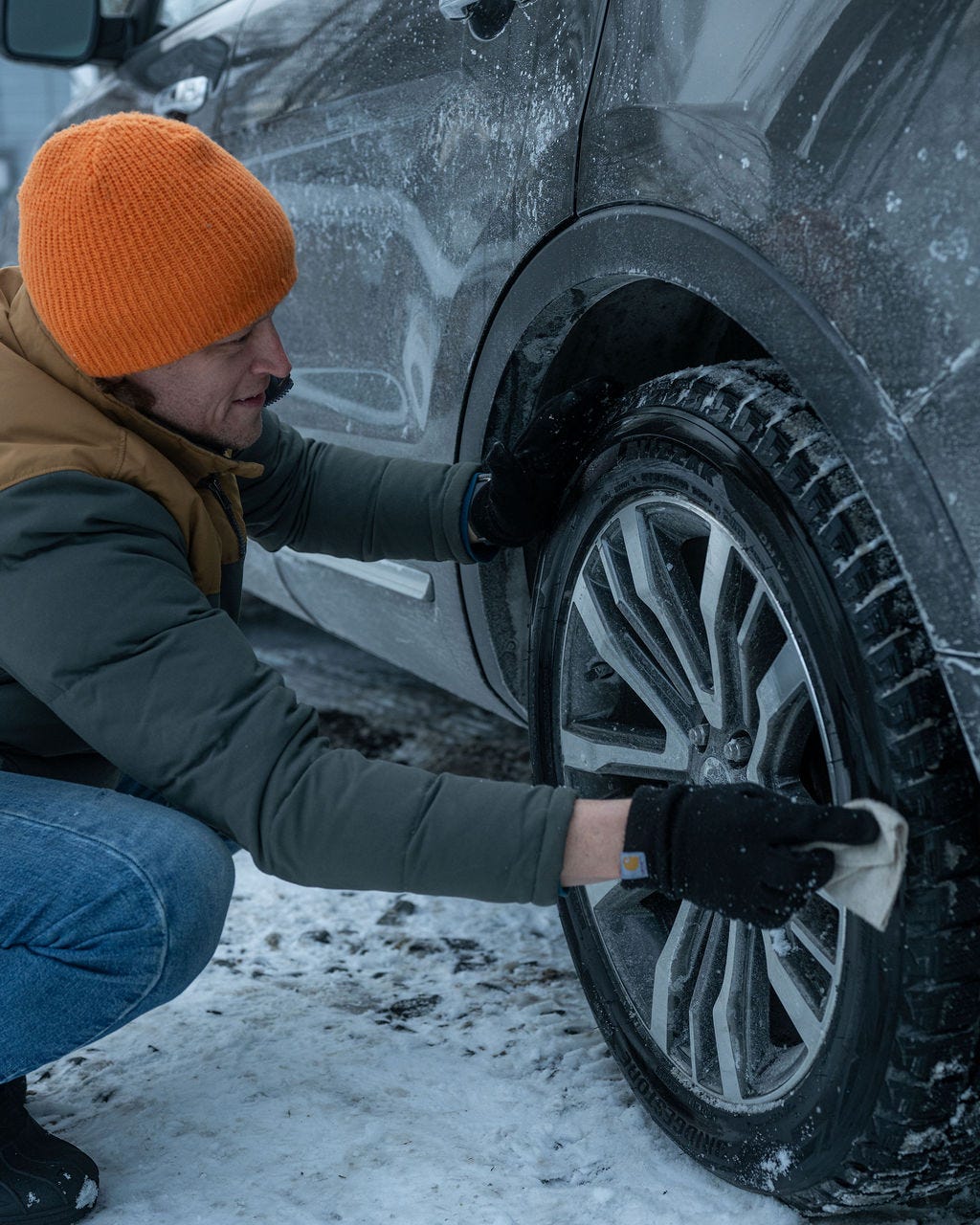
This isn’t surprising from an objective perspective, but it’s always startling (exciting?) to find yourself sliding sideways down the road. Shocked at how poorly the Goodyear Assurance WeatherReady all-weather rubber was comporting itself, I headed for Tire Rack. I should note that the Goodyears may have already seen 50,000 miles of continual use, which could help explain the lack of snow and ice traction. But, no matter the case, after learning about the compromises of an all-weather vs. winter tire, it was time for a change.
With its Blizzak snow tires, Bridgestone has managed the rare feat of creating a brand-name product that is interchangeable with the common name. Like calling every type of soda Coke, it’s not unusual among the winter tire adherents - an admittedly smaller contingent than people who drink soda - to assume your winter tires are Blizzaks. I would say it’s all in the branding. Blizzak just sort of sounds like a winter tire.
Nearly 40 Years Of Blizzak Technology


Anyway, that’s how I found myself browsing the Blizzak selection on Tire Rack. I’m familiar with the brand, have had many Blizzaks over the years, and it was one of the few tires offered in the giant 20” size required for the Explorer. Specifically, the DM-V2 variant. The Blizzak lineup dates to 1988, when the Japanese tire maker invented its patented MultiCell technology. According to Bridgestone, this tech centers around tiny bubbles embedded in the tire’s tread with the purpose of wicking away the thin film of water encountered on ice. Move that water out of the way, and you have increased rubber on the road and better grip.
Per Ian McKenney, Senior Product Manager, Bridgestone Americas, you can actually see these bubbles under a magnifying glass. I cannot tell you how badly I want a magnifying glass to see this for myself, but alas, I can’t find one anywhere. Going deeper, he shared a bit of tire insight that helped me better understand a key differentiator between the two types of tires I was working with…
“The primary difference between winter and all-weather tire compounds lies in their Glass Transition Temperature. Winter compounds are engineered with a much lower brittleness point, allowing the rubber to remain soft and ‘sticky’ in sub-zero temperatures. In contrast, all-weather tires must compromise that softness to survive warmer pavement, resulting in less grip on pure ice.”
I was unaware of the Glass Transition Temperature, and it certainly helps explain some of what I experienced with my Explorer’s all-weather setup. Though I did ask Bridgestone for specific testing data on how the Blizzak DM-V2 traction performance changes as the tires wear, that information is understandably not for public consumption. However, McKenney did share how the company compares fresh tires against “buffed” or worn versions in controlled ice and snow environments.
Real-World Blizzak DM-V2 Testing
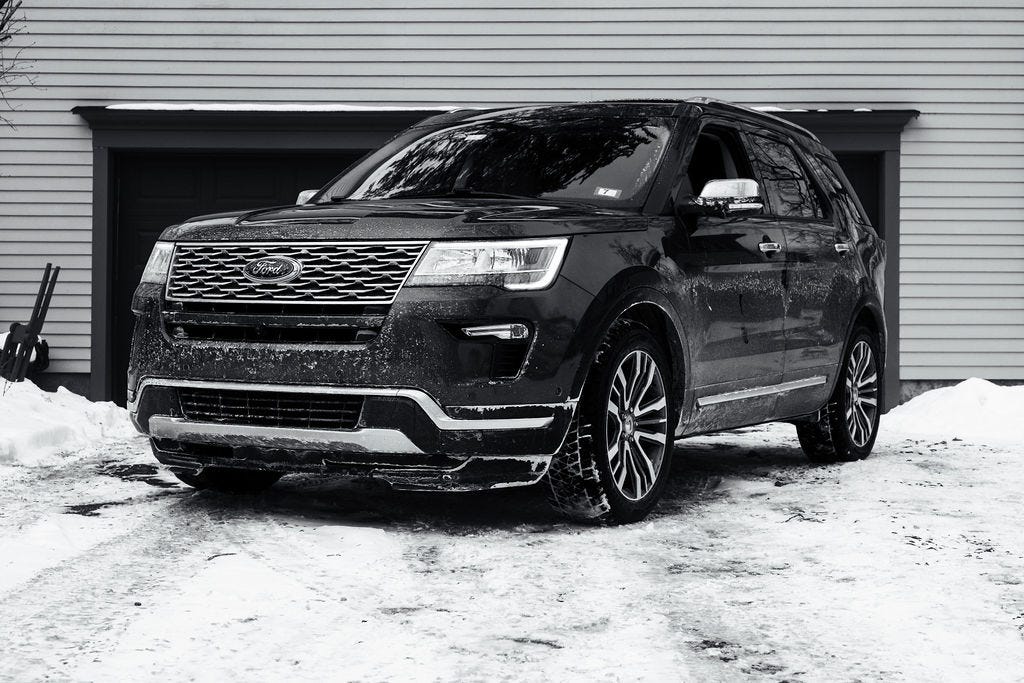
My testing of the DM-V2 was certainly less controlled, but always safe! It involved putting the Blizzak-shod 2019 Ford Explorer through the winter. And what a winter it was. Bone-chilling temperatures. Huge amounts of snow. And lots of driving. To the ski slopes, to swim meets in Vermont, and all over the New Hampshire seacoast. When the whole family was in the car, testing was merely ensuring the Explorer could accelerate, corner, and brake confidently. Largely driven by my wife, I am happy to report the Blizzak DM-V2s performed as expected. She felt safe doing the family things in all conditions, which left me feeling relieved. Especially after my experience with those worn all-weathers.
On that note, McKenney also said,
“A key industry benchmark we aim for is that a winter tire at its mid-life point should still outperform a brand-new all-season tire in wintry conditions.”
That’s good to hear from both a safe driving and budgetary perspective, because a full set of 20” Blizzaks is not cheap.
As for my testing protocol, opportunities to investigate how the Blizzaks performed in heavy winter conditions were plentiful this year. In the name of journalistic rigor - and to have fun blasting around in the snow - I took every opportunity I could find to go for a spin in the slick stuff. Standing on the gas, standing on the brakes, and slinging the Explorer across empty snow-covered parking lots left me impressed. Grip was strong, ice braking was confidence-inspiring, and even when I could break the Ford loose, the DM-V2s felt eager to rein things back in.
A Snow Tire Worth A Look
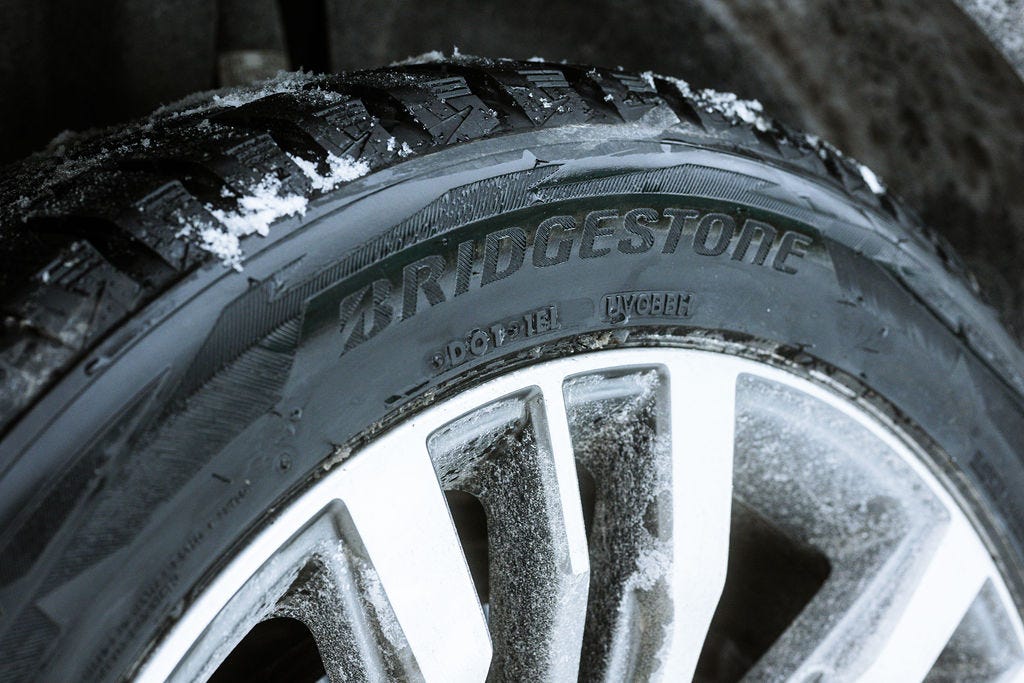
I can’t say that my local backroad testing was on par with, say, flinging vehicles around the winter wonderland of Circuit Mécaglisse up in Canada. But I can say that after nearly 40 years of Blizzak development and my time spent thus far with the DM-V2 version, Bridgestone clearly knows how to engineer snow tires. I’d happily recommend them to anyone.
You can check out Blizzak DM-V2 tires at Tire Rack. I bought mine here, and they’ll ship them right to your front door. Though you may want to tip the UPS guy, as it’s kind of a big package :)
About the author: Niel Stender is an automotive journalist. More of his work can be found at muckrack.com/niel-stender.